AI Reenactment
AI Reenactment: Historical Scenes Without a Set or Cast
Reenactment produced affordably — without cast, costumes or travel days.
reenactment
Overview
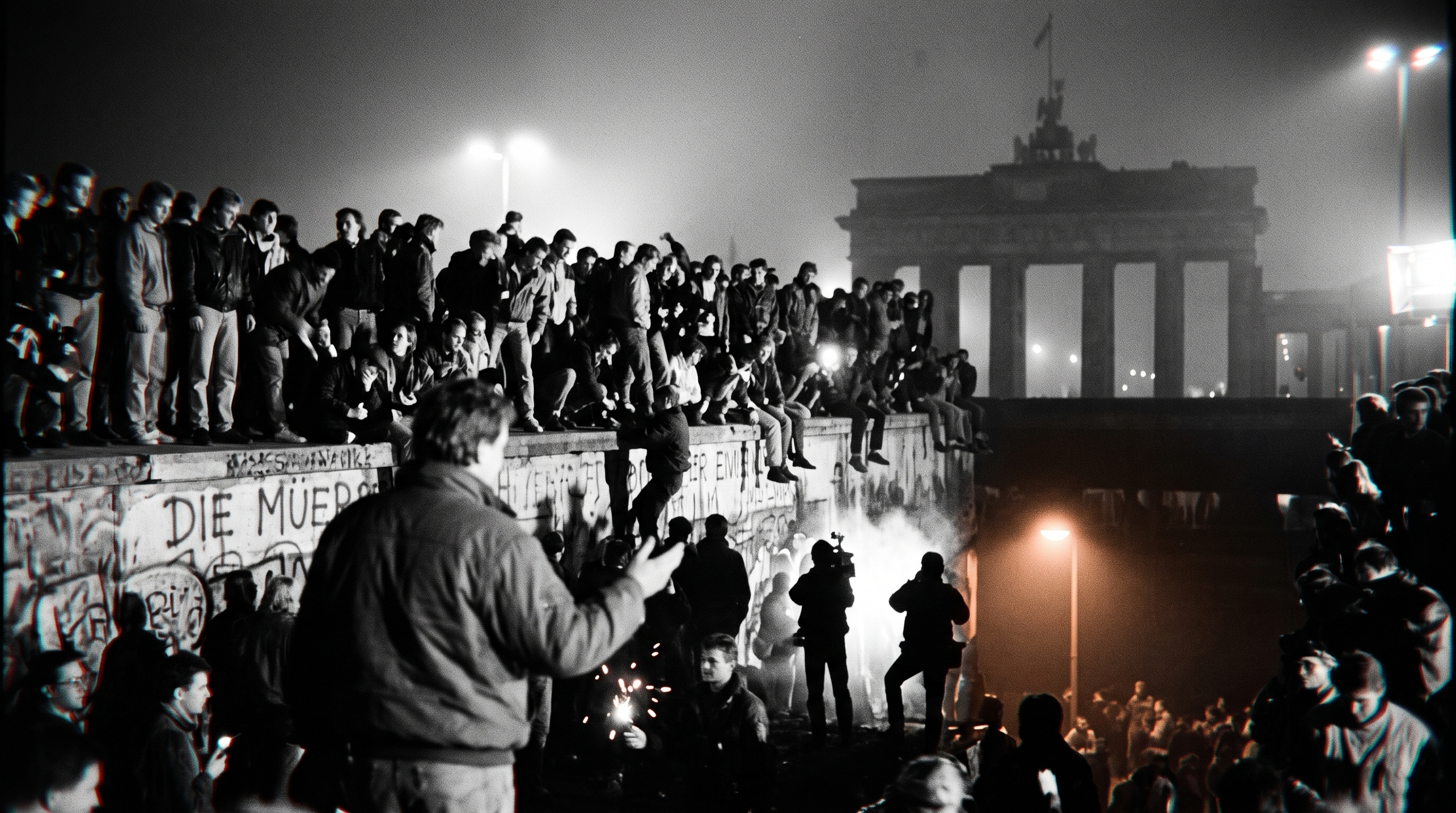
Reenactment scenes are usually the most expensive line in a documentary budget: cast, costume, make-up, locations, shooting days. Generative production builds historical and documentary scenes in the studio instead of on set — research-led, agreed with your editorial and expert advisors, and finished to a standard that holds up next to archive footage.
For
Who this is for
- Documentary and TV productions
- Broadcasters and editorial teams
- Museums, memorials and exhibitions
- Education and science communication
- Companies with their own corporate history
- True crime, podcast and streaming formats
Use cases
Typical use cases
- Recreating historical scenes without actors or sets
- Reconstructing lost places, buildings and cityscapes
- Filling archive gaps where no footage exists
- Corporate history and anniversary films
- Crime reconstructions for true crime formats
- Exhibition and museum loops
- Explainer and knowledge formats with a historical angle
Deliverables
What you receive
- Research and reference preparation together with your expert advisors
- Storyboard, style frames and period look development
- Generative, hybrid or classic execution of each scene
- Grading, sound design, voice-over and music
- Labelling, source notes and approval documentation
- Format variants for broadcast, exhibition and social
Production
Production options
- Fully generative reenactment scenes
- Hybrid: real performers or locations with generative extension
- Classic shoot with generative set extensions and VFX
Approach
How GOODARTSY works
It starts with the source, not the prompt. We work with your research team, review imagery, plans and written accounts, and define what is documented and what remains interpretation. From that we build a look that carries the period rather than illustrating it. Synthetic scenes are labelled visibly and kept clearly separate from archive material — a precondition for broadcasters, editorial teams and exhibition venues.
FAQ
Frequently asked questions
What does AI reenactment cost?
It depends on the number of scenes, length, period and research effort. The decisive difference to a classic reenactment shoot: cast, costume, make-up, location fees and shooting days largely disappear. We quote concretely after a short brief.
Is it really cheaper than a classic reenactment shoot?
In most cases yes, because the biggest cost drivers — crewed shooting days, extras, props and travel — fall away. Research and look development remain substantial. For a handful of very simple scenes a classic shoot can still be the better option, and we will say so.
Can it work entirely without actors and sets?
Yes. Figures, costumes, interiors and landscapes are generated. Where close-ups of faces or hands carry the story, we recommend a hybrid approach with real footage.
How realistic do the scenes look?
Atmospheric wide shots, environments, materials and light are highly convincing today. We deliberately design the scenes as reconstruction — with a clear visual language rather than a faked archive look.
Can real historical people be depicted?
We assess this case by case. For deceased individuals, post-mortem personality rights and family interests apply; for living people, consent is required. Often we resolve it through suggestion, silhouette or a shift of perspective instead of portraiture.
Does AI-generated material have to be labelled?
Yes. Under the EU AI Act synthetic moving images must be disclosed, and editorial teams require it regardless. We supply labelling proposals for the image, credits and metadata.
Is it approvable for broadcasters, museums and funded projects?
We work with documented sources, traceable decisions and a clear separation of archive and reconstruction. That documentation is part of the delivery and can be used for approvals.
How do you ensure historical accuracy?
Through your expert advisors or a historian we bring in. Details such as clothing, architecture, tools and lighting are locked in reference boards and approved before production.
Can it be combined with existing archive footage?
Yes, that is the normal case. We match grading, grain and cutting rhythm so archive and reconstruction sit together — visibly distinct, yet visually coherent.
How long does production take?
Typically three to eight weeks, depending on scene count, research effort and approval loops. Single scenes for exhibitions can be much faster.
Related services
AI Video Production
AI Video Production
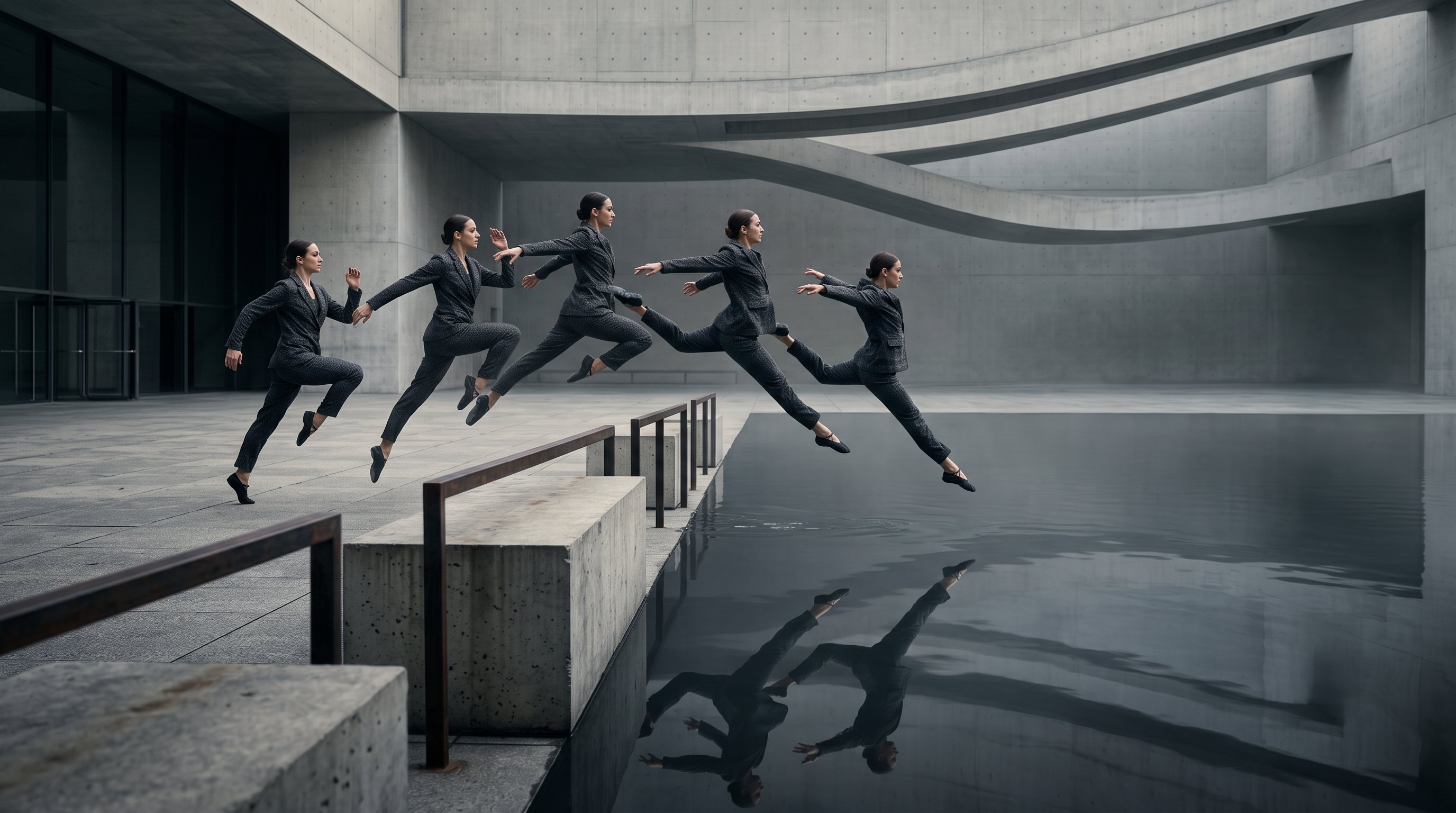
Video with a signature, consistency and production reliability.
video
AI Commercial Production
AI Commercials and Campaign Films
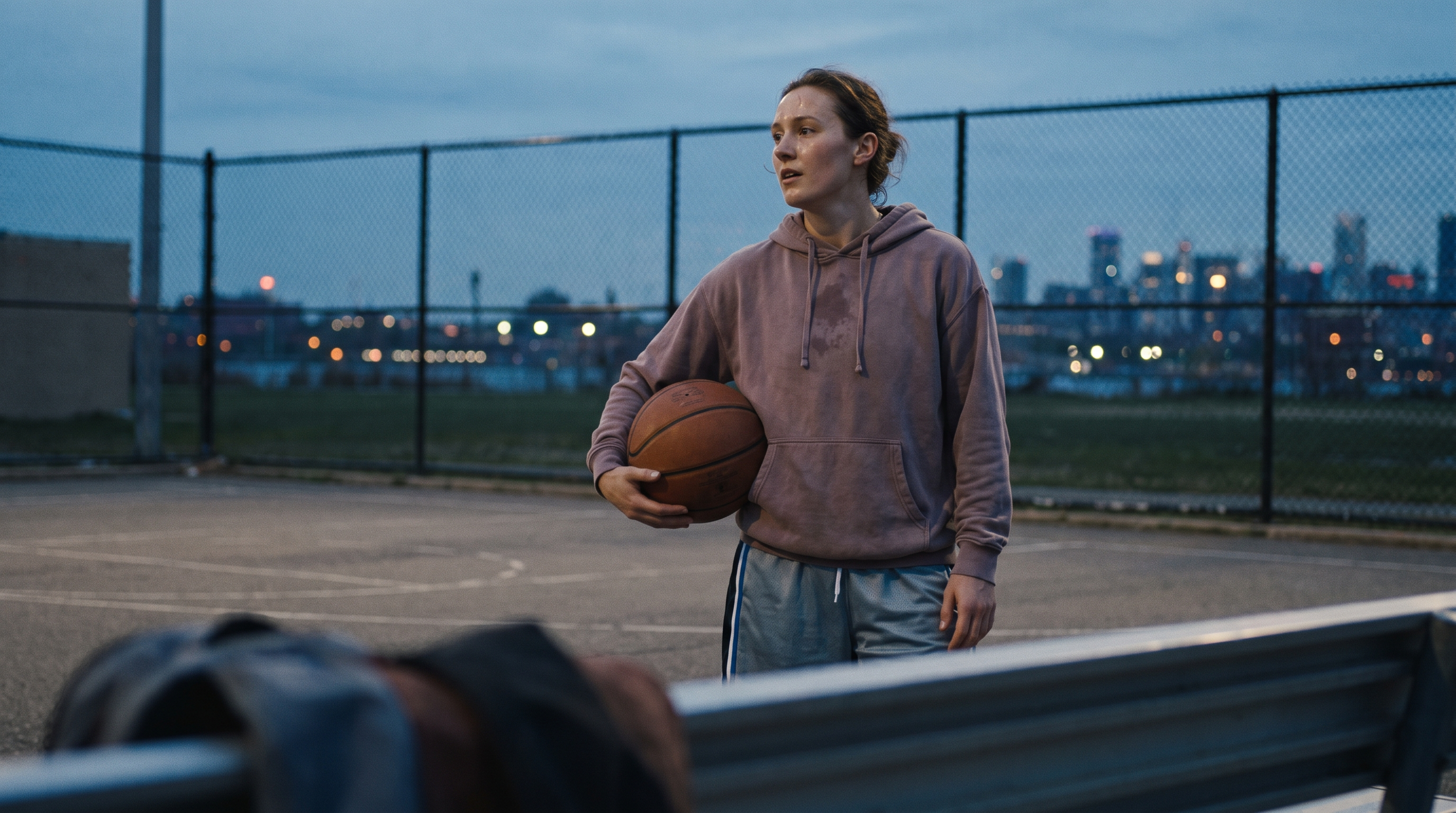
Advertising that works as communication — not as a tech demo.
commercial
Scalable AI Content
Scalable AI Content
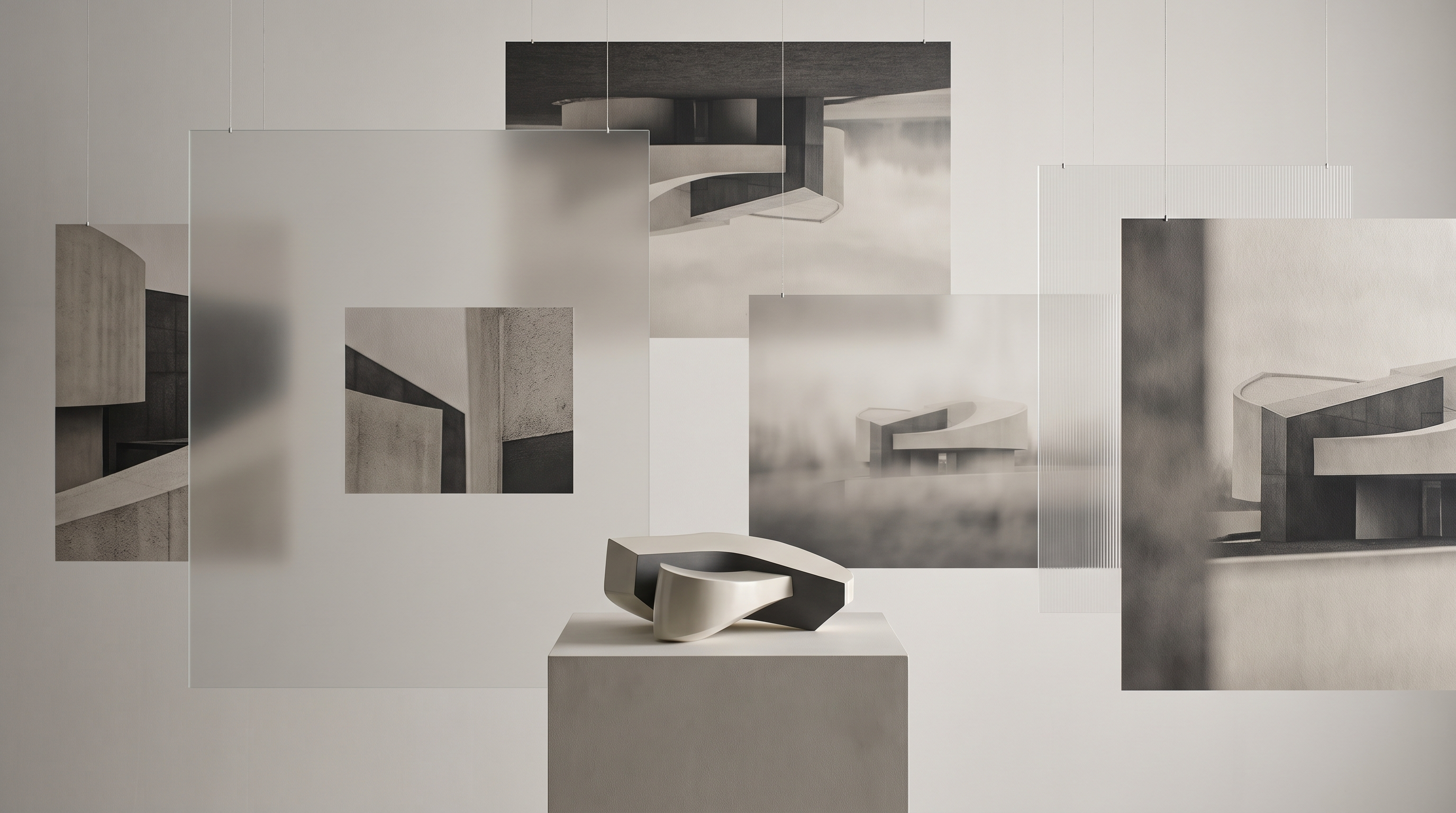
Content systems with a signature — not conveyor-belt material.
content
Contact
Have a brief in mind?
Send us a short outline. We'll come back with a first assessment.